
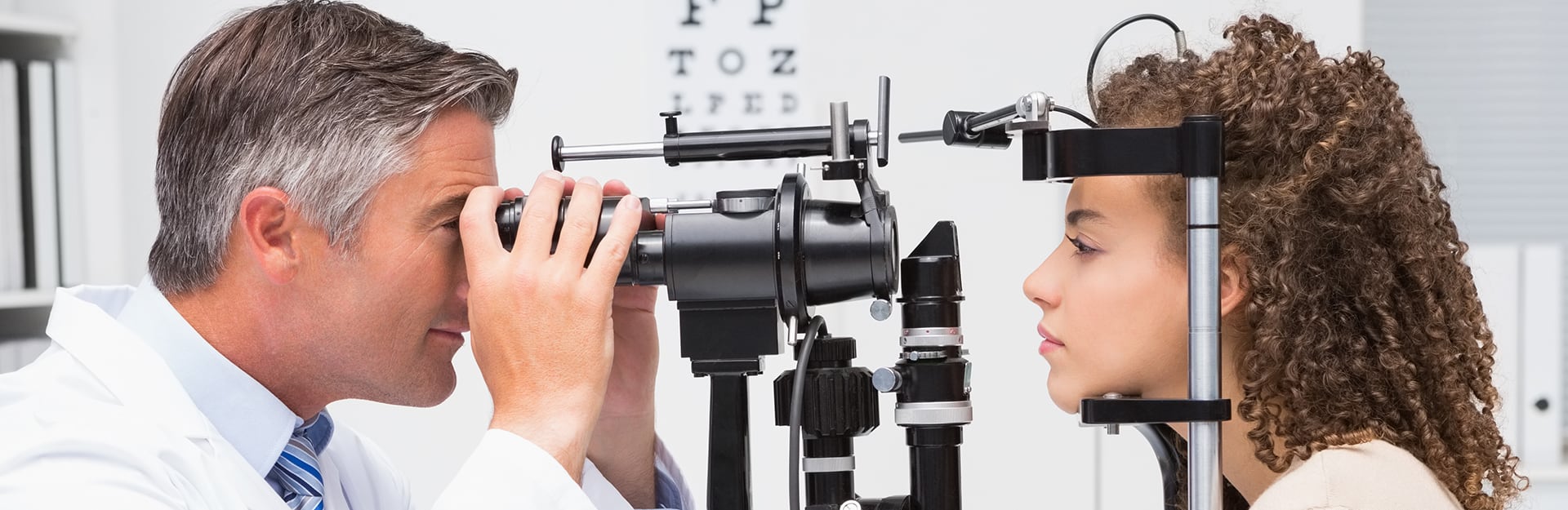
Comprehensive Exams With Experienced Professionals
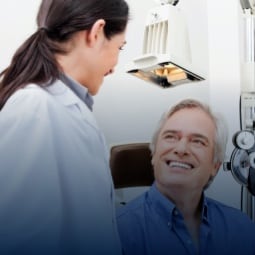
At Center For Sight, we select exceptional, board-certified optometric physicians to ensure all of our patients receive the best possible eye care. Our comprehensive eye exams can help identify any problems affecting you, even in the earliest stages.
Our team can help with all of your eye-related needs. Visit one of our locations for comprehensive eye exams handled with diligent attention and care.

Eye Exams Are Vital for Your Eye Health
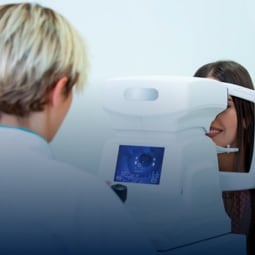
Comprehensive eye exams are more than a way to test your vision. They allow our optometric physicians to catch early signs of eye disease and evaluate your overall eye health. Many issues can develop with minimal symptoms, but the technology we use during our exams can help catch early signs of these problems.
Common vision problems include:
- Refractive errors
- Age-related macular degeneration
- Glaucoma
- Cataracts
- Diabetic retinopathy
What to Expect in Your Exam
Every patient has different visual needs and goals, and our exams cater to them. Besides meeting your specific needs, the completed tests in your exam help us track changes to your eye health and vision.
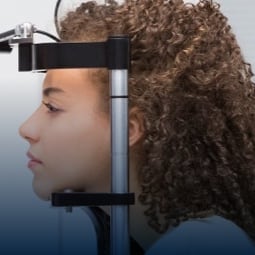
During your exam, our optometric physicians will get a complete picture of your ocular health, including visual acuity, eye coordination, and an evaluation of the structures of your eye. We will use our state-of-the-art technology to identify any underlying issues, helping to protect your vision. Following your comprehensive exam, our physicians take the time to discuss any problems or concerns you may have about your test results. They can answer any questions you have about available procedures.
How Often Do You Need an Exam?
According to the American Optometric Association, adults under 40 years old should have an exam every 2 years. People over 40 should have an annual eye examination with an optometric physician and more frequently if diagnosed with an eye disease.
You should have a complete eye exam if you already wear eyeglasses or contact lenses, have not had an eye exam in the past year, or are experiencing any vision issues.
Book Your Exam Today
Several eye conditions and other visual problems can develop with time, making regular eye exams an essential aspect of maintaining your eye health. Center For Sight is here to help with all aspects of your vision and eye health—book an appointment at one of our locations to experience exceptional eye care.
Our Locations





News
Better Sight. Brighter Futures.
News & UpdatesBetter sight leads directly to brighter futures, and Center For Sight is taking action for the youth in our community! The Center For Sight Foundation has committed $100,000 to deliver life-changing vision care and glasses directly to children in need. Visit cfsfoundation.org to discover how this milestone investment is making a lasting difference! […]
LASIK and Dry Eye: What You Need to Know Before and After Surgery
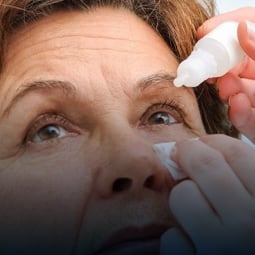
Eye Care, LASIKReviewed By: Dr. Tanuj Banker Dry eyes after LASIK are common because the procedure temporarily affects corneal nerves involved in tear sensation and tear-film regulation. For many patients, symptoms improve as the eyes heal, although pre-existing dry eye can increase the risk of more noticeable or longer-lasting symptoms. Evaluating the ocular surface before surgery and following […]
Read More… from LASIK and Dry Eye: What You Need to Know Before and After Surgery
Are Flashing Lights and Blind Spots Signs of a Retinal Tear?
Eye Care, Retina TreatmentReviewed By: Dr. Tanuj Banker Sudden flashes of light, new floaters, or changes in peripheral vision can be symptoms of a retinal tear. A dark curtain, shadow, or new blind spot may mean the retina has started to detach and needs immediate attention. Because these symptoms can overlap with less serious eye changes, a dilated eye […]
Read More… from Are Flashing Lights and Blind Spots Signs of a Retinal Tear?
Better Sight. Brighter Futures.
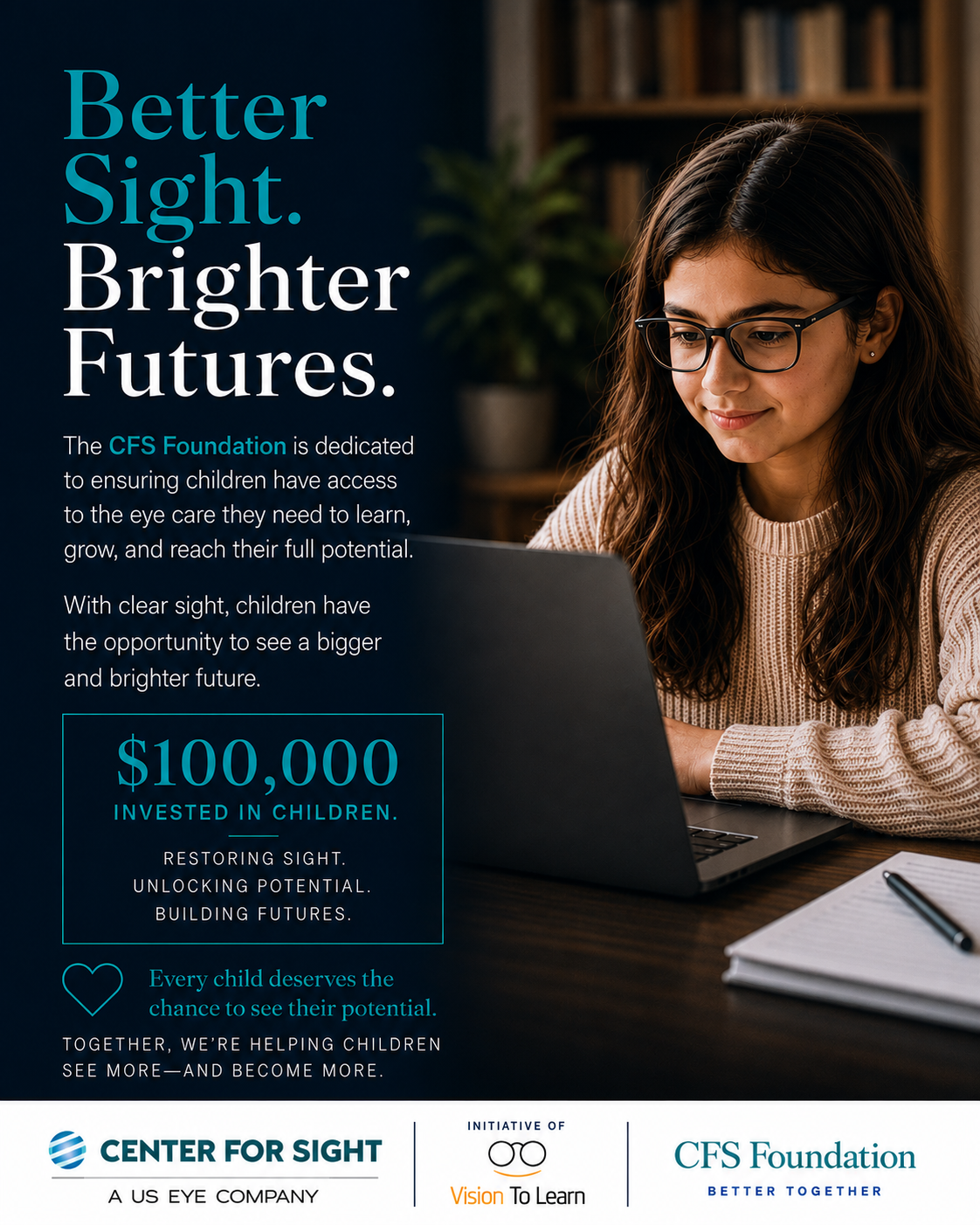
Better sight leads directly to brighter futures, and Center For Sight is taking action for the youth in our community! The Center For Sight Foundation has committed $100,000 to deliver life-changing vision care and glasses directly to children in need. Visit cfsfoundation.org to discover how this milestone investment is making a lasting difference! […]
LASIK and Dry Eye: What You Need to Know Before and After Surgery

Reviewed By: Dr. Tanuj Banker Dry eyes after LASIK are common because the procedure temporarily affects corneal nerves involved in tear sensation and tear-film regulation. For many patients, symptoms improve as the eyes heal, although pre-existing dry eye can increase the risk of more noticeable or longer-lasting symptoms. Evaluating the ocular surface before surgery and following […]
Read More… from LASIK and Dry Eye: What You Need to Know Before and After Surgery
Are Flashing Lights and Blind Spots Signs of a Retinal Tear?

Reviewed By: Dr. Tanuj Banker Sudden flashes of light, new floaters, or changes in peripheral vision can be symptoms of a retinal tear. A dark curtain, shadow, or new blind spot may mean the retina has started to detach and needs immediate attention. Because these symptoms can overlap with less serious eye changes, a dilated eye […]
Read More… from Are Flashing Lights and Blind Spots Signs of a Retinal Tear?
Check Us Out On Social.

We are a proud partner of US Eye, a leading group of patient-centric, vertically integrated multi-specialty physician practices providing patients with care in ophthalmology, optometry, dermatology and cosmetic facial surgery.

- Physicians
- Ophthalmologists
- Optometrists
- Dermatologists
- Locations
- Sarasota
- Siesta
- Pelican Plaza
- University Park
- Jacaranda
- Venice
-
Sarasota
- 2601 S. Tamiami Trail
- Sarasota, FL 34239
-
P: 941-925-2020
-
Siesta
- 1800 Siesta Dr.
- Sarasota, FL 34239
-
P: 941-241-5973
-
University Park
- 5409 University Pkwy
- Bradenton, FL 34201
-
P: 941-330-2020
-
Pelican Plaza
- 8224 S Tamiami Trail
- Sarasota, FL 34238
-
P: 941-918-2020
-
Jacaranda
- 1236 Jacaranda Blvd
- Venice, FL 34292
-
P: 941-499-3542
-
Venice
- 1360 E Venice Ave
- Venice, Fl 34285
-
P: 941-486-2020
-
Amara Aesthetic Surgery & Dermatology
- 1370 E Venice Ave #205
- Venice, FL 34285
-
P: 941-263-4799
-
Englewood
- 1800 S McCall Rd
- Englewood, Fl 34223
-
P: 941-474-2020
-
Port Charlotte
- 970 Kings Highway, suite 2
- Port Charlotte, FL 33980
-
P: 941-499-7863
-
North Port
- 14844 Tamiami Trail
- North Port, FL 34287
-
P: 941-484-2020
-
Fort Myers – San Carlos Blvd
- 15661 San Carlos Blvd Unit #4
- Fort Myers, FL 33908
-
P: 239-766-7136
-
Fort Myers – Brantley Road
- 1537 Brantley Rd
- Fort Myers, FL 33907
-
P: 239-481-7799
-
Naples
- 700 Neapolitan Way
- Naples, FL 34103
-
P: 239-310-2020
- Follow Us
-
-


