
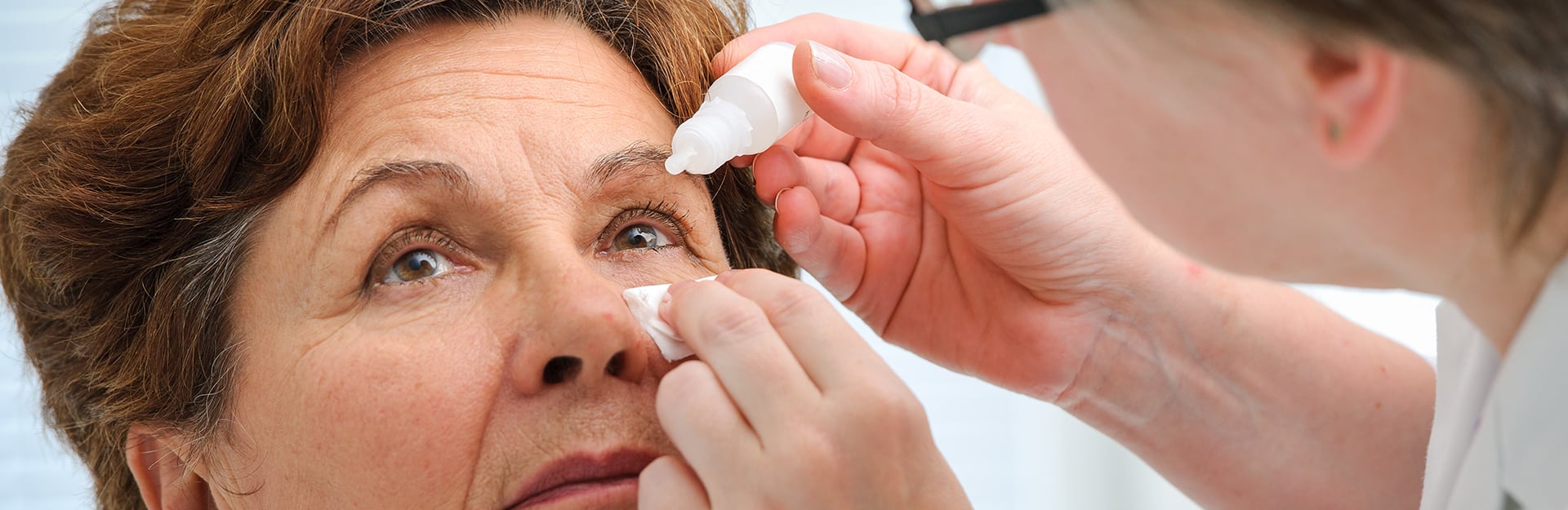

We Can Help Protect Your Vision
Your vision is precious, and an emergency can place it at risk. Eye emergencies can happen at any time, and it is important to know what to do. Swift action can help preserve your sight.
If you experience an eye emergency, visit Center For Sight as soon as possible. Our staff can assess the damage to your eye and determine the best course of action. If an emergency happens outside of office hours, visit your closest emergency room.
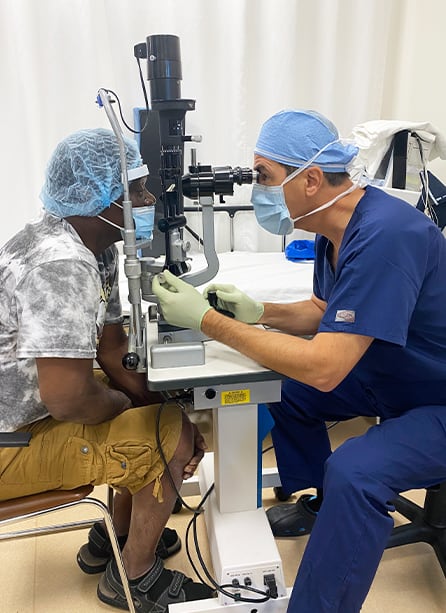

What Qualifies as an Emergency?
It can be hard to know when you’re experiencing an eye emergency, but there are common symptoms to watch out for. Visit one of our locations or an emergency room if you experience any of the following:
- Bleeding from the eyes
- Extreme itchiness
- Eye trauma
- Foreign body in the eye
- Discharge or crustiness
- Bruising around the eye
- Chemical splash
- Scratches or cuts
- Enlarged pupils
- Eye pain or soreness
Handling an Eye Emergency
Emergencies can happen, so it is important to know what to do. In the case of certain emergencies, like chemical contact to the eye or a foreign object, damage can occur quickly. Avoid making unnecessary contact with your eye and visit one of our locations as soon as possible.
What to Avoid
In an emergency, you must avoid further damage to your eyes. Visiting a medical professional as soon as possible should be your priority. In the meantime, avoid the following:
- Attempting to remove foreign objects
- Putting medications or drops in your eyes
- Using tweezers or other tools near the eye
- Rubbing or applying pressure to your eyes
Know Where to Go During an Emergency
Contact us immediately if you have an eye-related emergency, and we will do our best to help you. Our team at Center For Sight has access to the latest technology to help preserve and protect your vision.

Our Locations






News
Are Flashing Lights and Blind Spots Signs of a Retinal Tear?
Eye Care, Retina TreatmentReviewed By: Dr. Tanuj Banker Sudden flashes of light, new floaters, or changes in peripheral vision can be symptoms of a retinal tear. A dark curtain, shadow, or new blind spot may mean the retina has started to detach and needs immediate attention. Because these symptoms can overlap with less serious eye changes, a dilated eye […]
Read More… from Are Flashing Lights and Blind Spots Signs of a Retinal Tear?
LASIK vs EVO ICL: Which Vision Correction Procedure Is Right for You?
Eye Care, LASIKLASIK reshapes the cornea with a laser, while EVO ICL surgery places a prescription lens inside the eye without removing corneal tissue. LASIK can correct nearsightedness, farsightedness, and astigmatism in appropriate candidates. EVO ICL is designed for nearsightedness with or without astigmatism and may be an option for people with higher prescriptions or certain corneal […]
Read More… from LASIK vs EVO ICL: Which Vision Correction Procedure Is Right for You?
Why Do Cataracts Cause Faded Colors and Night Vision Problems?
Cataract Surgery, Eye CareReviewed By: Dr. Joshua Kim Cataracts can make colors look faded and night vision feel harder because the eye’s natural lens becomes cloudy over time. As the lens clouds or yellows, it changes the way light passes through the eye. Colors may look duller, glare may feel stronger, and headlights or streetlights may become harder to […]
Read More… from Why Do Cataracts Cause Faded Colors and Night Vision Problems?
Are Flashing Lights and Blind Spots Signs of a Retinal Tear?

Reviewed By: Dr. Tanuj Banker Sudden flashes of light, new floaters, or changes in peripheral vision can be symptoms of a retinal tear. A dark curtain, shadow, or new blind spot may mean the retina has started to detach and needs immediate attention. Because these symptoms can overlap with less serious eye changes, a dilated eye […]
Read More… from Are Flashing Lights and Blind Spots Signs of a Retinal Tear?
LASIK vs EVO ICL: Which Vision Correction Procedure Is Right for You?
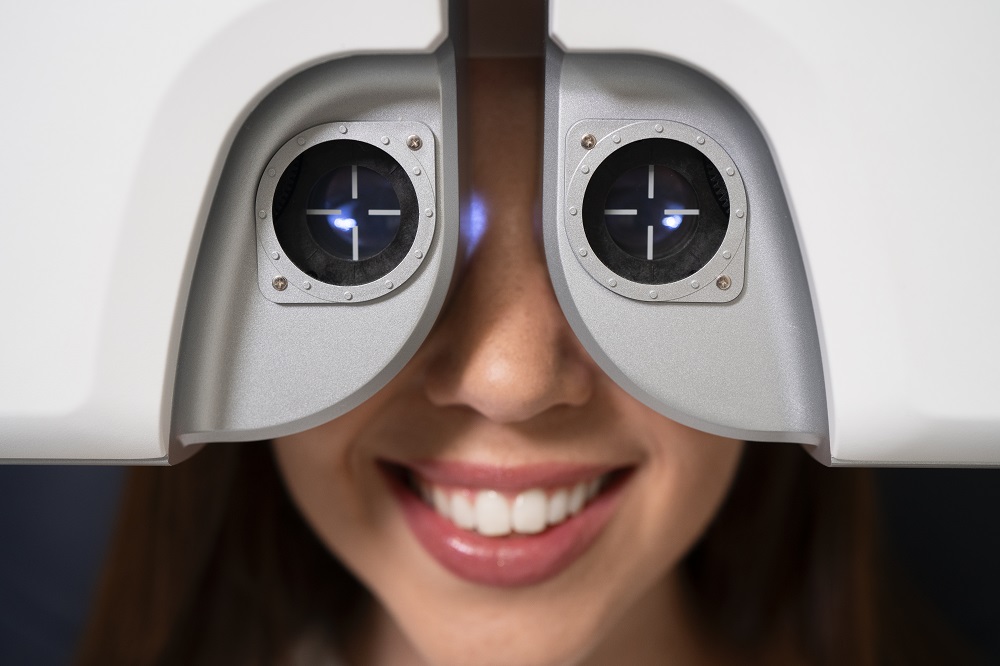
LASIK reshapes the cornea with a laser, while EVO ICL surgery places a prescription lens inside the eye without removing corneal tissue. LASIK can correct nearsightedness, farsightedness, and astigmatism in appropriate candidates. EVO ICL is designed for nearsightedness with or without astigmatism and may be an option for people with higher prescriptions or certain corneal […]
Read More… from LASIK vs EVO ICL: Which Vision Correction Procedure Is Right for You?
Why Do Cataracts Cause Faded Colors and Night Vision Problems?
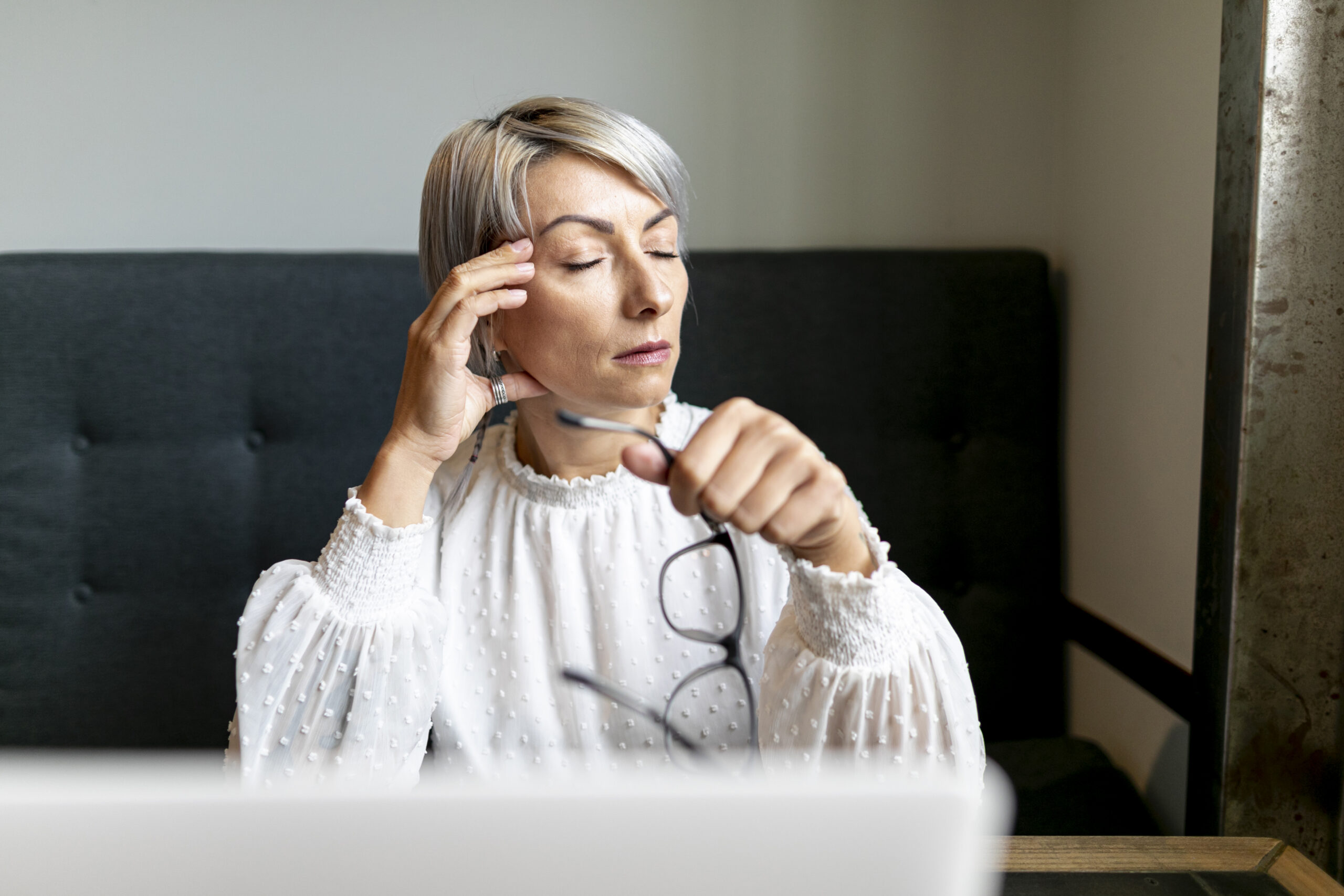
Reviewed By: Dr. Joshua Kim Cataracts can make colors look faded and night vision feel harder because the eye’s natural lens becomes cloudy over time. As the lens clouds or yellows, it changes the way light passes through the eye. Colors may look duller, glare may feel stronger, and headlights or streetlights may become harder to […]
Read More… from Why Do Cataracts Cause Faded Colors and Night Vision Problems?
Check Us Out On Social.


We are a proud partner of US Eye, a leading group of patient-centric, vertically integrated multi-specialty physician practices providing patients with care in ophthalmology, optometry, dermatology and cosmetic facial surgery.

- Physicians
- Ophthalmologists
- Optometrists
- Dermatologists
- Locations
- Sarasota
- Siesta
- Pelican Plaza
- University Park
- Jacaranda
- Venice
-
Sarasota
- 2601 S. Tamiami Trail
- Sarasota, FL 34239
-
P: 941-925-2020
-
Siesta
- 1800 Siesta Dr.
- Sarasota, FL 34239
-
P: 941-241-5973
-
University Park
- 5409 University Pkwy
- Bradenton, FL 34201
-
P: 941-330-2020
-
Pelican Plaza
- 8224 S Tamiami Trail
- Sarasota, FL 34238
-
P: 941-918-2020
-
Jacaranda
- 1236 Jacaranda Blvd
- Venice, FL 34292
-
P: 941-499-3542
-
Venice
- 1360 E Venice Ave
- Venice, Fl 34285
-
P: 941-486-2020
-
Amara Aesthetic Surgery & Dermatology
- 1370 E Venice Ave #205
- Venice, FL 34285
-
P: 941-263-4799
-
Englewood
- 1800 S McCall Rd
- Englewood, Fl 34223
-
P: 941-474-2020
-
Port Charlotte
- 970 Kings Highway, suite 2
- Port Charlotte, FL 33980
-
P: 941-499-7863
-
North Port
- 14844 Tamiami Trail
- North Port, FL 34287
-
P: 941-484-2020
-
Fort Myers – San Carlos Blvd
- 15661 San Carlos Blvd Unit #4
- Fort Myers, FL 33908
-
P: 239-766-7136
-
Fort Myers – Brantley Road
- 1537 Brantley Rd
- Fort Myers, FL 33907
-
P: 239-481-7799
-
Naples
- 700 Neapolitan Way
- Naples, FL 34103
-
P: 239-310-2020
- Follow Us
-
-


