


Take Care of Your Skin
At Center For Sight, we are committed to our patients’ overall well-being, not only how well they see. We believe it is beneficial to offer additional healthcare solutions to help you look and feel your healthiest. Our dermatology services are a part of our commitment to delivering advanced care to improve our patients’ lives.
We have plenty of sun in Florida, but extended sun exposure can increase your risk of cataracts and skin cancer. Dr. Newman and Shannon Bednarz, PA-C at AMARA MD can help you protect and take care of your skin long-term.
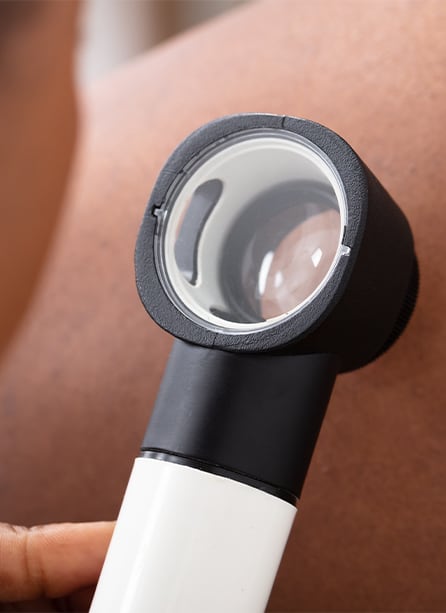

Skin Cancer Is a Risk
More than 9,500 Americans are diagnosed with skin cancer every day. Skin cancer develops when cells grow uncontrollably in an aggressive manner. While it can be fun to spend time in the sun, proper caution is required to protect your skin.
There are 3 primary forms of skin cancer:
- Basal cell carcinoma: This form of cancer can appear in many forms, including open sores, red patches, pink growths, shiny bumps, scars, or growths. There are over 3.6 million cases of this cancer diagnosed every year.
- Squamous cell carcinoma: This form of cancer appears as scaly red patches, open sores, raised growths, or rough-like skin. Squamous cell carcinoma can spread to other areas of the body.
Melanoma: This form of cancer can appear in many different shapes, sizes, or colors. Melanoma can spread to other parts of the body rapidly if not diagnosed early enough.
Caring for Your Skin
Ultraviolet (UV) rays are a form of invisible energy given off by the sun that can damage the skin. Most people only think of wearing sun protection at the pool or beach, but solar damage can accumulate every time you expose your skin to sunlight.
Take precautions to avoid the sun’s harmful rays by limiting direct sun exposure during midday, sitting in the shade, and using an umbrella. When in the sun, wear a hat with a 2-inch brim and sunglasses that block 99% of UV rays. The most important preventive measure is applying a broad-spectrum sunscreen with at least SPF 15.
Additional Dermatology Treatments
Center For Sight offers additional dermatology treatments to help address different skin problems. Our experienced doctors can determine if treatments are right for you and explain the benefits and risks of these procedures.
Sclerotherapy
Sclerotherapy is a procedure designed to eliminate varicose and spider veins. The process involves injecting a solution into the vein, where it causes the lining of the blood vessel to swell and stick together. After a short time, the injected blood vessel fades from view.
Hair & Nail Disorders
A fungus infection of the nail is one of the most common skin infections. Toenails are commonly affected due to the environment where fungus can grow. Our team can offer oral medications to remove these infections.
We Can Help Care for Your Skin
At Center For Sight, our team is committed to helping protect your long-term health. We have many dermatology and skincare treatments available for your needs. Book an appointment to see how we can protect and care for your skin.

Our Locations





News
Are Flashing Lights and Blind Spots Signs of a Retinal Tear?
Eye Care, Retina TreatmentReviewed By: Dr. Tanuj Banker Sudden flashes of light, new floaters, or changes in peripheral vision can be symptoms of a retinal tear. A dark curtain, shadow, or new blind spot may mean the retina has started to detach and needs immediate attention. Because these symptoms can overlap with less serious eye changes, a dilated eye […]
Read More… from Are Flashing Lights and Blind Spots Signs of a Retinal Tear?
LASIK vs EVO ICL: Which Vision Correction Procedure Is Right for You?
Eye Care, LASIKLASIK reshapes the cornea with a laser, while EVO ICL surgery places a prescription lens inside the eye without removing corneal tissue. LASIK can correct nearsightedness, farsightedness, and astigmatism in appropriate candidates. EVO ICL is designed for nearsightedness with or without astigmatism and may be an option for people with higher prescriptions or certain corneal […]
Read More… from LASIK vs EVO ICL: Which Vision Correction Procedure Is Right for You?
Why Do Cataracts Cause Faded Colors and Night Vision Problems?
Cataract Surgery, Eye CareReviewed By: Dr. Joshua Kim Cataracts can make colors look faded and night vision feel harder because the eye’s natural lens becomes cloudy over time. As the lens clouds or yellows, it changes the way light passes through the eye. Colors may look duller, glare may feel stronger, and headlights or streetlights may become harder to […]
Read More… from Why Do Cataracts Cause Faded Colors and Night Vision Problems?
Are Flashing Lights and Blind Spots Signs of a Retinal Tear?

Reviewed By: Dr. Tanuj Banker Sudden flashes of light, new floaters, or changes in peripheral vision can be symptoms of a retinal tear. A dark curtain, shadow, or new blind spot may mean the retina has started to detach and needs immediate attention. Because these symptoms can overlap with less serious eye changes, a dilated eye […]
Read More… from Are Flashing Lights and Blind Spots Signs of a Retinal Tear?
LASIK vs EVO ICL: Which Vision Correction Procedure Is Right for You?
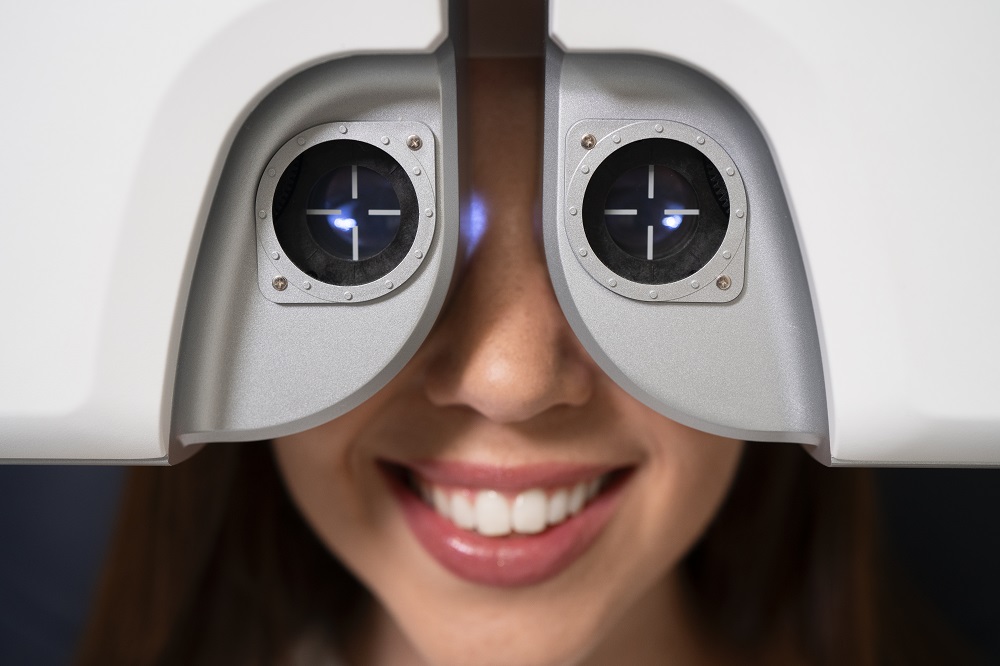
LASIK reshapes the cornea with a laser, while EVO ICL surgery places a prescription lens inside the eye without removing corneal tissue. LASIK can correct nearsightedness, farsightedness, and astigmatism in appropriate candidates. EVO ICL is designed for nearsightedness with or without astigmatism and may be an option for people with higher prescriptions or certain corneal […]
Read More… from LASIK vs EVO ICL: Which Vision Correction Procedure Is Right for You?
Why Do Cataracts Cause Faded Colors and Night Vision Problems?
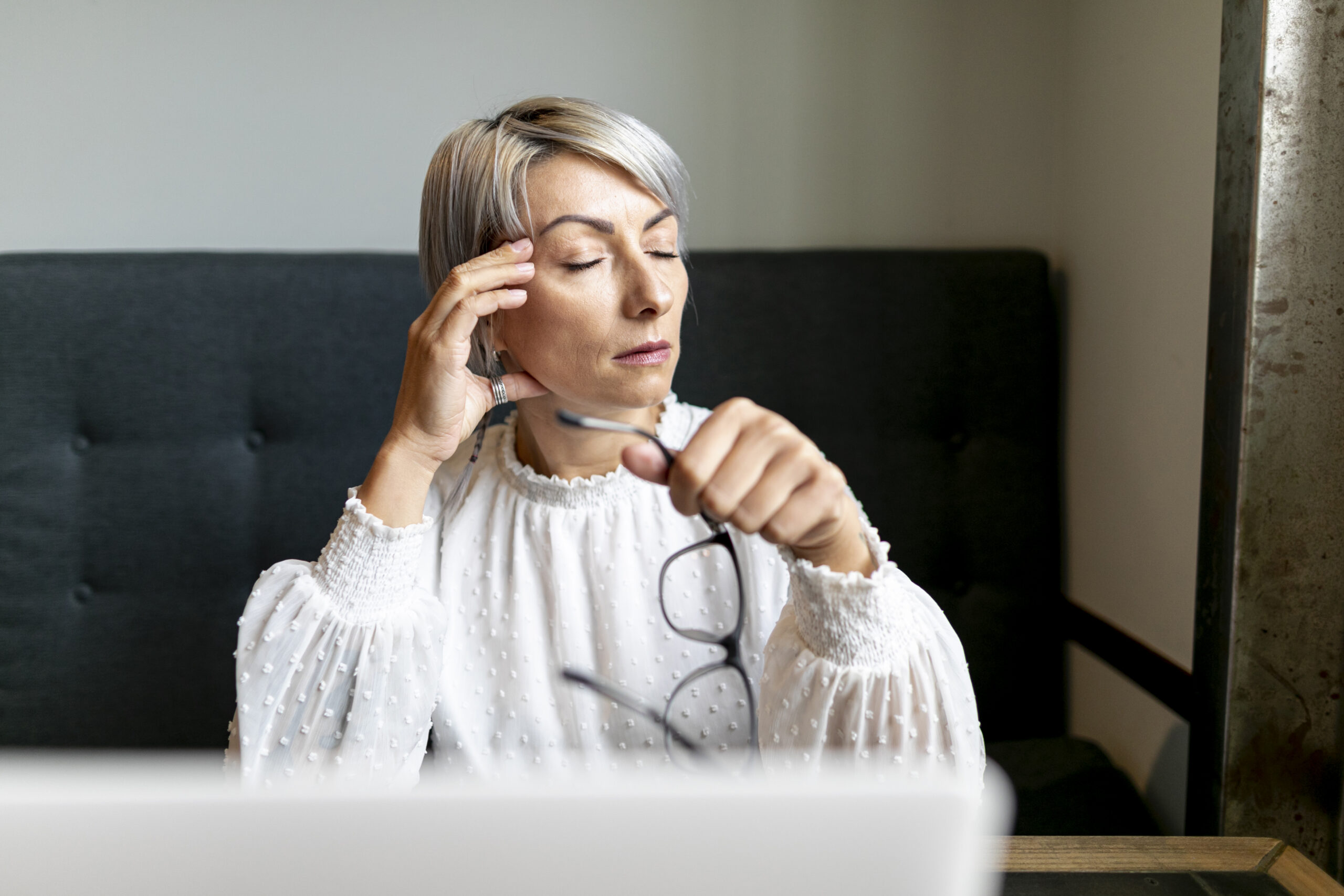
Reviewed By: Dr. Joshua Kim Cataracts can make colors look faded and night vision feel harder because the eye’s natural lens becomes cloudy over time. As the lens clouds or yellows, it changes the way light passes through the eye. Colors may look duller, glare may feel stronger, and headlights or streetlights may become harder to […]
Read More… from Why Do Cataracts Cause Faded Colors and Night Vision Problems?
Check Us Out On Social.


We are a proud partner of US Eye, a leading group of patient-centric, vertically integrated multi-specialty physician practices providing patients with care in ophthalmology, optometry, dermatology and cosmetic facial surgery.

- Physicians
- Ophthalmologists
- Optometrists
- Dermatologists
- Locations
- Sarasota
- Siesta
- Pelican Plaza
- University Park
- Jacaranda
- Venice
-
Sarasota
- 2601 S. Tamiami Trail
- Sarasota, FL 34239
-
P: 941-925-2020
-
Siesta
- 1800 Siesta Dr.
- Sarasota, FL 34239
-
P: 941-241-5973
-
University Park
- 5409 University Pkwy
- Bradenton, FL 34201
-
P: 941-330-2020
-
Pelican Plaza
- 8224 S Tamiami Trail
- Sarasota, FL 34238
-
P: 941-918-2020
-
Jacaranda
- 1236 Jacaranda Blvd
- Venice, FL 34292
-
P: 941-499-3542
-
Venice
- 1360 E Venice Ave
- Venice, Fl 34285
-
P: 941-486-2020
-
Amara Aesthetic Surgery & Dermatology
- 1370 E Venice Ave #205
- Venice, FL 34285
-
P: 941-263-4799
-
Englewood
- 1800 S McCall Rd
- Englewood, Fl 34223
-
P: 941-474-2020
-
Port Charlotte
- 970 Kings Highway, suite 2
- Port Charlotte, FL 33980
-
P: 941-499-7863
-
North Port
- 14844 Tamiami Trail
- North Port, FL 34287
-
P: 941-484-2020
-
Fort Myers – San Carlos Blvd
- 15661 San Carlos Blvd Unit #4
- Fort Myers, FL 33908
-
P: 239-766-7136
-
Fort Myers – Brantley Road
- 1537 Brantley Rd
- Fort Myers, FL 33907
-
P: 239-481-7799
-
Naples
- 700 Neapolitan Way
- Naples, FL 34103
-
P: 239-310-2020
- Follow Us
-
-


