


We Can Help Protect Your Vision
Glaucoma is a disease that requires early treatment to prevent further vision loss. At Center For Sight, our eye care physicians can identify and treat glaucoma with advanced technologies, including medication, glaucoma surgery, and other treatments.
Dr. Elizabeth Davis is a board certified ophthalmologist who is fellowship-trained cataract, refractive, and corneal surgeon. She received her Medical Degree from John Hopkins University of Medicine graduating first in her class.
Dr. Davis also completed a received a HEED Ophthalmic Foundation Scholarship to complete subspecialty fellowship training in cornea, external disease, refractive surgery, and glaucoma.
Dr. Joshua W. Kim is a board certified ophthalmologist who is fellowship trained at the premier New York Eye & Ear Infirmary in New York City for a distinguished fellowship specializing in glaucoma.
Many types of glaucoma exist, but our team can offer you the care you need. Visit one of our locations for exceptional eye care and glaucoma management. Book an appointment with us today to understand how we can help protect your vision.


What Is Glaucoma?
Glaucoma is a disease that occurs when there is an increase in the fluid pressure within the eye. If left untreated, this pressure can cause irreversible damage to the optic nerve. Glaucoma is one of the leading causes of blindness today.
In certain types of glaucoma, fluid does not drain properly, causing the pressure inside the eye to rise. Pressure build-up can damage the optic nerve and lead to vision loss. The most common type is open-angle glaucoma, but we treat patients with angle-closure glaucoma and normal-tension glaucoma as well.
Know If You’re At Risk
Approximately 3 million Americans have glaucoma, placing them at risk of severe vision loss. Unfortunately, many people do not realize they have glaucoma because it can progress with no visible symptoms in its early stages.
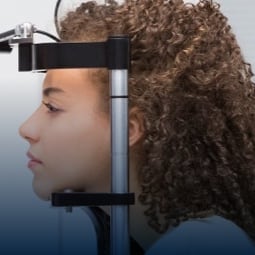
However, your eye care physician can diagnose glaucoma early during a comprehensive eye exam. We recommend regular eye exams for everyone over age 40.
While anyone can develop glaucoma, some people have a higher risk. These factors include:
- Age
- Certain medical conditions
- Family history
- Previous eye injury
- Extreme nearsightedness or farsightedness

Treating Glaucoma
Center For Sight is a leader in bringing the latest technologies to our patients. We can offer several treatments for glaucoma and recommend the most effective option to control eye pressure and prevent vision loss.
Our available treatments include:
Medications
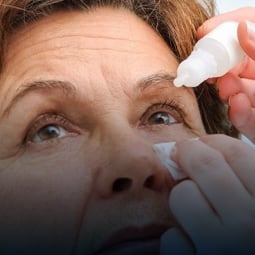
A variety of eye drops and oral medications exist to control glaucoma—your doctor can recommend different medications based on your needs.
Laser Therapy Selective Laser Trabeculoplasty (SLT)
SLT uses short energy pulses to reduce intraocular pressure for patients with open-angle glaucoma.
Minimally-invasive glaucoma surgery
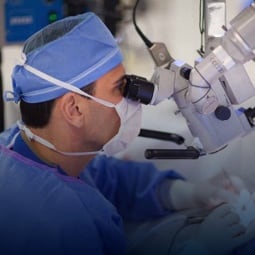
Minimally-invasive glaucoma surgery involves placing a stent to help bypass normal fluid drainage, lowering eye pressure.
Trabeculectomy
Trabeculectomy is a type of glaucoma surgery used to create a new pathway for fluid to drain inside of the eye.
Tube implants
Tube implants are silicone tubes implanted into the eye to assist in fluid drainage to keep eye pressure down.
Catch Glaucoma Before It Worsens
Without treatment, glaucoma can lead to severe vision loss and blindness. With an early diagnosis, our team at Center For Sight can help preserve and protect your vision. Contact us for an eye exam, so we can detect glaucoma before it worsens.

Our Locations







News
How to Reduce Swelling After Facelift Surgery: Expert Tips
Faces by FezzaReviewed By: Dr. Fezza While swelling is an expected side effect after a facelift, it’s also one of the most frustrating parts of recovery because it can make you feel “puffy” before you even see the refined result you planned for. As frustrating as this can be, it’s important to understand that swelling can’t be made […]
Read More… from How to Reduce Swelling After Facelift Surgery: Expert Tips
What Causes Light Sensitivity After Eye Surgery?
Cataract SurgeryReviewed By: Dr. Maloney Light sensitivity is one of the most common surprises after eye surgery. Every day, lighting can feel harsh, headlights seem brighter than before, and screens may become uncomfortable. For many patients, this phase is just as frustrating as the original vision problem they were trying to fix. Photophobia (light sensitivity) often follows […]
Read More… from What Causes Light Sensitivity After Eye Surgery?
What Causes Double Vision After Cataract Surgery?
Cataract SurgeryReviewed by: Dr. Kim Cataract surgery is meant to sharpen your vision, so double vision afterward can feel like something went wrong. In many cases, it is part of the early recovery window or a correctable issue with the eye’s surface, prescription, or alignment. The key is sorting out the pattern so you and your […]
Read More… from What Causes Double Vision After Cataract Surgery?
How to Reduce Swelling After Facelift Surgery: Expert Tips

Reviewed By: Dr. Fezza While swelling is an expected side effect after a facelift, it’s also one of the most frustrating parts of recovery because it can make you feel “puffy” before you even see the refined result you planned for. As frustrating as this can be, it’s important to understand that swelling can’t be made […]
Read More… from How to Reduce Swelling After Facelift Surgery: Expert Tips
What Causes Light Sensitivity After Eye Surgery?

Reviewed By: Dr. Maloney Light sensitivity is one of the most common surprises after eye surgery. Every day, lighting can feel harsh, headlights seem brighter than before, and screens may become uncomfortable. For many patients, this phase is just as frustrating as the original vision problem they were trying to fix. Photophobia (light sensitivity) often follows […]
Read More… from What Causes Light Sensitivity After Eye Surgery?
What Causes Double Vision After Cataract Surgery?

Reviewed by: Dr. Kim Cataract surgery is meant to sharpen your vision, so double vision afterward can feel like something went wrong. In many cases, it is part of the early recovery window or a correctable issue with the eye’s surface, prescription, or alignment. The key is sorting out the pattern so you and your […]
Read More… from What Causes Double Vision After Cataract Surgery?
Check Us Out On Social.


We are a proud partner of US Eye, a leading group of patient-centric, vertically integrated multi-specialty physician practices providing patients with care in ophthalmology, optometry, dermatology and cosmetic facial surgery.

-
Sarasota
- 2601 S. Tamiami Trail
- Sarasota, FL 34239
-
P: 941-925-2020
-
Siesta
- 1800 Siesta Dr.
- Sarasota, FL 34239
-
P: 941-241-5973
-
University Park
- 5409 University Pkwy
- Bradenton, FL 34201
-
P: 941-330-2020
-
Pelican Plaza
- 8224 S Tamiami Trail
- Sarasota, FL 34238
-
P: 941-918-2020
-
Jacaranda
- 1236 Jacaranda Blvd
- Venice, FL 34292
-
P: 941-499-3542
-
Venice
- 1360 E Venice Ave
- Venice, Fl 34285
-
P: 941-486-2020
-
Amara Aesthetic Surgery & Dermatology
- 1370 E Venice Ave #205
- Venice, FL 34285
-
P: 941-263-4799
-
Englewood
- 1800 S McCall Rd
- Englewood, Fl 34223
-
P: 941-474-2020
-
Port Charlotte
- 970 Kings Highway, suite 2
- Port Charlotte, FL 33980
-
P: 941-499-7863
-
North Port
- 14844 Tamiami Trail
- North Port, FL 34287
-
P: 941-484-2020
-
Fort Myers – San Carlos Blvd
- 15661 San Carlos Blvd Unit #4
- Fort Myers, FL 33908
-
P: 239-766-7136
-
Fort Myers – Brantley Road
- 1537 Brantley Rd
- Fort Myers, FL 33907
-
P: 239-766-7104
-
Naples
- 700 Neapolitan Way
- Naples, FL 34103
-
P: 239-310-2020
- Follow Us
-
-


