
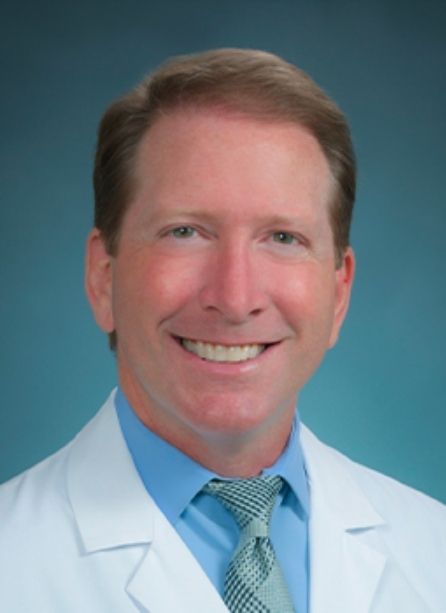

William J. Lahners, M.D., F.A.C.S.
It is with a heavy heart we announce the unexpected passing of Dr. William J. Lahners on December 10, 2021. Dr. Lahners was not only the Center For Sight Medical Director, and one of the leading LASIK, Cataract and lens replacement surgeons, he was a beloved husband, father and friend. He will be greatly missed at Center For Sight and in the ophthalmology community. Our thoughts and prayers are with his family. Dr. Lahners is survived by his wife Crystal, son William and daughter Ella.
A specialist in All-Laser LASIK, cataract and glaucoma surgery, Dr. Lahners earned his bachelor’s degree from the University of Texas, and his medical degree with honors from Louisiana State University. During his medical education, he was inducted into the Alpha Omega Alpha medical honor society, was one of only six students to complete the four-year honors research program, and was awarded the Luis Perez Award for excellence by the Department of Ophthalmology.
He continued his education with a combined internship in Medicine and Surgery at the Mayo Clinic, a residency in ophthalmology at Emory University, and a fellowship at the Phillips Eye Institute in Minneapolis.
In 2003, he was invited to be one of the 11 investigators in the U.S. for CustomCornea — wavefront technology that has revolutionized surgical vision correction. He has been a principal investigator in several FDA trials involving cataract surgery, LASIK, pharmaceuticals, corneal cross linking and corneal transplants.
Dr. Lahners was a pioneer in Femtosecond Lasers — the technology used in All-Laser LASIK and Laser Cataract Surgery. He was the first surgeon on the west coast of Florida to use this technology in All-Laser LASIK, and the fifth surgeon in the country to perform laser-assisted corneal transplant surgery. Because of his vast experience with femtosecond lasers, he was invited to be the editor of the American Academy of Ophthalmology’s online textbook chapter on femtosecond laser technology, and served on the editorial board of Cataract & Refractive Surgery Today magazine.
In addition to his certification by the American Board of Ophthalmology, Dr. Lahners was also board-certified in LASIK by the American Board of Eye Surgery. He was an active member of the American Academy of Ophthalmology, American Society of Cataract and Refractive Surgery, International Society of Refractive Surgery, and a founding member of the American-European Congress of Ophthalmic Surgery.
Dr. Lahners was recently awarded the American Academy of Ophthalmology’s prestigious Achievement Award for his research and presentations on cataract surgery and LASIK. He has also been honored as one of America’s “Top Doctors” by the prestigious Top Doctors list, published annually by Castle Connolly Medical, Ltd.

Our Locations






News
Are Flashing Lights and Blind Spots Signs of a Retinal Tear?
Eye Care, Retina TreatmentReviewed By: Dr. Tanuj Banker Sudden flashes of light, new floaters, or changes in peripheral vision can be symptoms of a retinal tear. A dark curtain, shadow, or new blind spot may mean the retina has started to detach and needs immediate attention. Because these symptoms can overlap with less serious eye changes, a dilated eye […]
Read More… from Are Flashing Lights and Blind Spots Signs of a Retinal Tear?
LASIK vs EVO ICL: Which Vision Correction Procedure Is Right for You?
Eye Care, LASIKLASIK reshapes the cornea with a laser, while EVO ICL surgery places a prescription lens inside the eye without removing corneal tissue. LASIK can correct nearsightedness, farsightedness, and astigmatism in appropriate candidates. EVO ICL is designed for nearsightedness with or without astigmatism and may be an option for people with higher prescriptions or certain corneal […]
Read More… from LASIK vs EVO ICL: Which Vision Correction Procedure Is Right for You?
Why Do Cataracts Cause Faded Colors and Night Vision Problems?
Cataract Surgery, Eye CareReviewed By: Dr. Joshua Kim Cataracts can make colors look faded and night vision feel harder because the eye’s natural lens becomes cloudy over time. As the lens clouds or yellows, it changes the way light passes through the eye. Colors may look duller, glare may feel stronger, and headlights or streetlights may become harder to […]
Read More… from Why Do Cataracts Cause Faded Colors and Night Vision Problems?
Are Flashing Lights and Blind Spots Signs of a Retinal Tear?

Reviewed By: Dr. Tanuj Banker Sudden flashes of light, new floaters, or changes in peripheral vision can be symptoms of a retinal tear. A dark curtain, shadow, or new blind spot may mean the retina has started to detach and needs immediate attention. Because these symptoms can overlap with less serious eye changes, a dilated eye […]
Read More… from Are Flashing Lights and Blind Spots Signs of a Retinal Tear?
LASIK vs EVO ICL: Which Vision Correction Procedure Is Right for You?
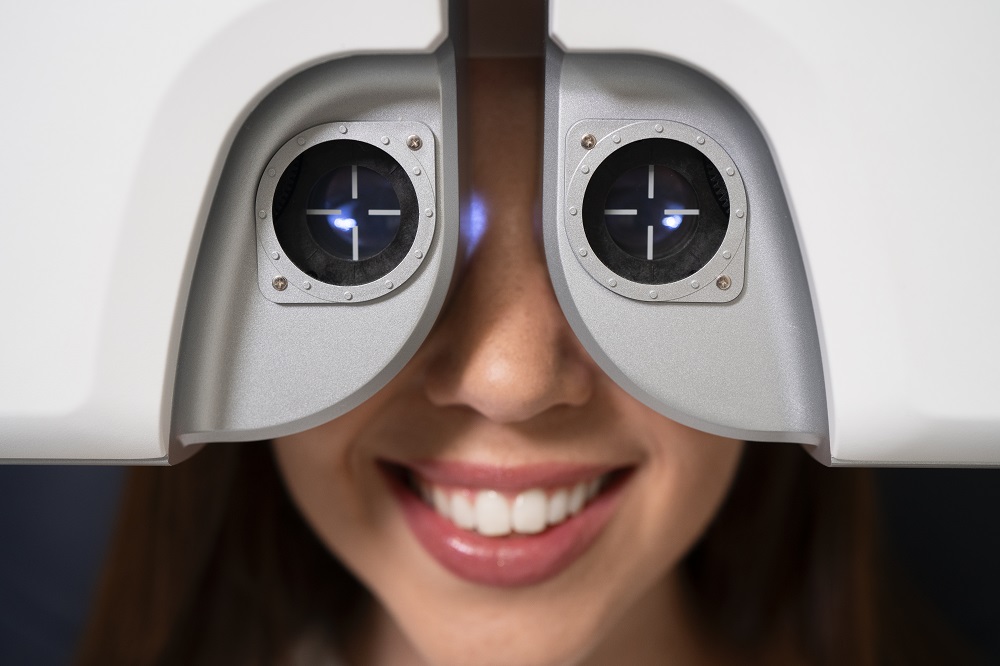
LASIK reshapes the cornea with a laser, while EVO ICL surgery places a prescription lens inside the eye without removing corneal tissue. LASIK can correct nearsightedness, farsightedness, and astigmatism in appropriate candidates. EVO ICL is designed for nearsightedness with or without astigmatism and may be an option for people with higher prescriptions or certain corneal […]
Read More… from LASIK vs EVO ICL: Which Vision Correction Procedure Is Right for You?
Why Do Cataracts Cause Faded Colors and Night Vision Problems?

Reviewed By: Dr. Joshua Kim Cataracts can make colors look faded and night vision feel harder because the eye’s natural lens becomes cloudy over time. As the lens clouds or yellows, it changes the way light passes through the eye. Colors may look duller, glare may feel stronger, and headlights or streetlights may become harder to […]
Read More… from Why Do Cataracts Cause Faded Colors and Night Vision Problems?
Check Us Out On Social.


We are a proud partner of US Eye, a leading group of patient-centric, vertically integrated multi-specialty physician practices providing patients with care in ophthalmology, optometry, dermatology and cosmetic facial surgery.

- Physicians
- Ophthalmologists
- Optometrists
- Dermatologists
- Locations
- Sarasota
- Siesta
- Pelican Plaza
- University Park
- Jacaranda
- Venice
-
Sarasota
- 2601 S. Tamiami Trail
- Sarasota, FL 34239
-
P: 941-925-2020
-
Siesta
- 1800 Siesta Dr.
- Sarasota, FL 34239
-
P: 941-241-5973
-
University Park
- 5409 University Pkwy
- Bradenton, FL 34201
-
P: 941-330-2020
-
Pelican Plaza
- 8224 S Tamiami Trail
- Sarasota, FL 34238
-
P: 941-918-2020
-
Jacaranda
- 1236 Jacaranda Blvd
- Venice, FL 34292
-
P: 941-499-3542
-
Venice
- 1360 E Venice Ave
- Venice, Fl 34285
-
P: 941-486-2020
-
Amara Aesthetic Surgery & Dermatology
- 1370 E Venice Ave #205
- Venice, FL 34285
-
P: 941-263-4799
-
Englewood
- 1800 S McCall Rd
- Englewood, Fl 34223
-
P: 941-474-2020
-
Port Charlotte
- 970 Kings Highway, suite 2
- Port Charlotte, FL 33980
-
P: 941-499-7863
-
North Port
- 14844 Tamiami Trail
- North Port, FL 34287
-
P: 941-484-2020
-
Fort Myers – San Carlos Blvd
- 15661 San Carlos Blvd Unit #4
- Fort Myers, FL 33908
-
P: 239-766-7136
-
Fort Myers – Brantley Road
- 1537 Brantley Rd
- Fort Myers, FL 33907
-
P: 239-481-7799
-
Naples
- 700 Neapolitan Way
- Naples, FL 34103
-
P: 239-310-2020
- Follow Us
-
-


