

Make the Most of Your Sight
We all love having crisp, clear eyesight, but many may find that reading a book, driving, and even recognizing colors can become more difficult as time marches on. Dr. Bradley Middaugh can develop strategies to help make the most of your vision, even while living with issues that permanently affect the quality of your sight.
Find out how we can help with your low vision needs by booking an appointment with our practice!
What is Low Vision?
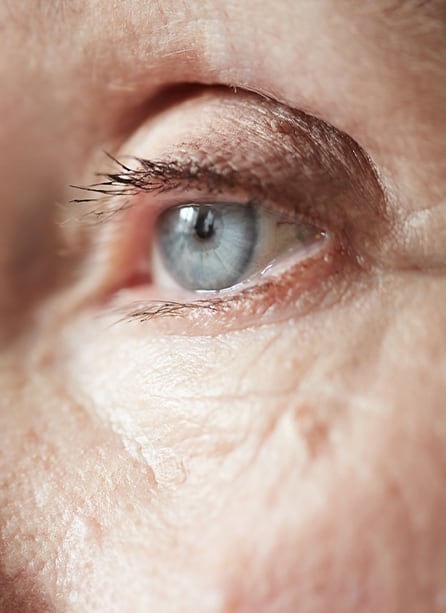
Low vision is a decreased quality of sight that glasses, contact lenses, or surgery cannot correct. While some people with low vision may be considered legally blind, they likely maintain some degree of vision.
Several different eye diseases and conditions cause low vision, including:
Several different eye diseases and conditions cause low vision, including:
- Glaucoma
- Age-related macular degeneration
- Diabetic retinopathy
- Retinal detachment
Low Vision Exam & Care
Low vision affects people in different ways. For example, having good visual acuity does not necessarily mean you have quality eyesight; there can still be issues with how your eye functions, like eye teaming and focusing.
Our low vision exam takes a deep look at what issues are affecting your vision quality. We can then develop strategies suited to your needs from this exam, including therapeutic exercises, specialty lenses, and assistive devices.

Our Locations




News
Are Flashing Lights and Blind Spots Signs of a Retinal Tear?
Eye Care, Retina TreatmentReviewed By: Dr. Tanuj Banker Sudden flashes of light, new floaters, or changes in peripheral vision can be symptoms of a retinal tear. A dark curtain, shadow, or new blind spot may mean the retina has started to detach and needs immediate attention. Because these symptoms can overlap with less serious eye changes, a dilated eye […]
Read More… from Are Flashing Lights and Blind Spots Signs of a Retinal Tear?
LASIK vs EVO ICL: Which Vision Correction Procedure Is Right for You?
Eye Care, LASIKLASIK reshapes the cornea with a laser, while EVO ICL surgery places a prescription lens inside the eye without removing corneal tissue. LASIK can correct nearsightedness, farsightedness, and astigmatism in appropriate candidates. EVO ICL is designed for nearsightedness with or without astigmatism and may be an option for people with higher prescriptions or certain corneal […]
Read More… from LASIK vs EVO ICL: Which Vision Correction Procedure Is Right for You?
Why Do Cataracts Cause Faded Colors and Night Vision Problems?
Cataract Surgery, Eye CareReviewed By: Dr. Joshua Kim Cataracts can make colors look faded and night vision feel harder because the eye’s natural lens becomes cloudy over time. As the lens clouds or yellows, it changes the way light passes through the eye. Colors may look duller, glare may feel stronger, and headlights or streetlights may become harder to […]
Read More… from Why Do Cataracts Cause Faded Colors and Night Vision Problems?
Are Flashing Lights and Blind Spots Signs of a Retinal Tear?
Reviewed By: Dr. Tanuj Banker Sudden flashes of light, new floaters, or changes in peripheral vision can be symptoms of a retinal tear. A dark curtain, shadow, or new blind spot may mean the retina has started to detach and needs immediate attention. Because these symptoms can overlap with less serious eye changes, a dilated eye […]
Read More… from Are Flashing Lights and Blind Spots Signs of a Retinal Tear?
LASIK vs EVO ICL: Which Vision Correction Procedure Is Right for You?
LASIK reshapes the cornea with a laser, while EVO ICL surgery places a prescription lens inside the eye without removing corneal tissue. LASIK can correct nearsightedness, farsightedness, and astigmatism in appropriate candidates. EVO ICL is designed for nearsightedness with or without astigmatism and may be an option for people with higher prescriptions or certain corneal […]
Read More… from LASIK vs EVO ICL: Which Vision Correction Procedure Is Right for You?
Why Do Cataracts Cause Faded Colors and Night Vision Problems?
Reviewed By: Dr. Joshua Kim Cataracts can make colors look faded and night vision feel harder because the eye’s natural lens becomes cloudy over time. As the lens clouds or yellows, it changes the way light passes through the eye. Colors may look duller, glare may feel stronger, and headlights or streetlights may become harder to […]
Read More… from Why Do Cataracts Cause Faded Colors and Night Vision Problems?
Check Us Out On Social.


We are a proud partner of US Eye, a leading group of patient-centric, vertically integrated multi-specialty physician practices providing patients with care in ophthalmology, optometry, dermatology and cosmetic facial surgery.

- Physicians
- Ophthalmologists
- Optometrists
- Dermatologists
- Locations
- Sarasota
- Siesta
- Pelican Plaza
- University Park
- Jacaranda
- Venice
-
Sarasota
- 2601 S. Tamiami Trail
- Sarasota, FL 34239
-
P: 941-925-2020
-
Siesta
- 1800 Siesta Dr.
- Sarasota, FL 34239
-
P: 941-241-5973
-
University Park
- 5409 University Pkwy
- Bradenton, FL 34201
-
P: 941-330-2020
-
Pelican Plaza
- 8224 S Tamiami Trail
- Sarasota, FL 34238
-
P: 941-918-2020
-
Jacaranda
- 1236 Jacaranda Blvd
- Venice, FL 34292
-
P: 941-499-3542
-
Venice
- 1360 E Venice Ave
- Venice, Fl 34285
-
P: 941-486-2020
-
Amara Aesthetic Surgery & Dermatology
- 1370 E Venice Ave #205
- Venice, FL 34285
-
P: 941-263-4799
-
Englewood
- 1800 S McCall Rd
- Englewood, Fl 34223
-
P: 941-474-2020
-
Port Charlotte
- 970 Kings Highway, suite 2
- Port Charlotte, FL 33980
-
P: 941-499-7863
-
North Port
- 14844 Tamiami Trail
- North Port, FL 34287
-
P: 941-484-2020
-
Fort Myers – San Carlos Blvd
- 15661 San Carlos Blvd Unit #4
- Fort Myers, FL 33908
-
P: 239-766-7136
-
Fort Myers – Brantley Road
- 1537 Brantley Rd
- Fort Myers, FL 33907
-
P: 239-481-7799
-
Naples
- 700 Neapolitan Way
- Naples, FL 34103
-
P: 239-310-2020
- Follow Us
-
-


