

Table of Contents
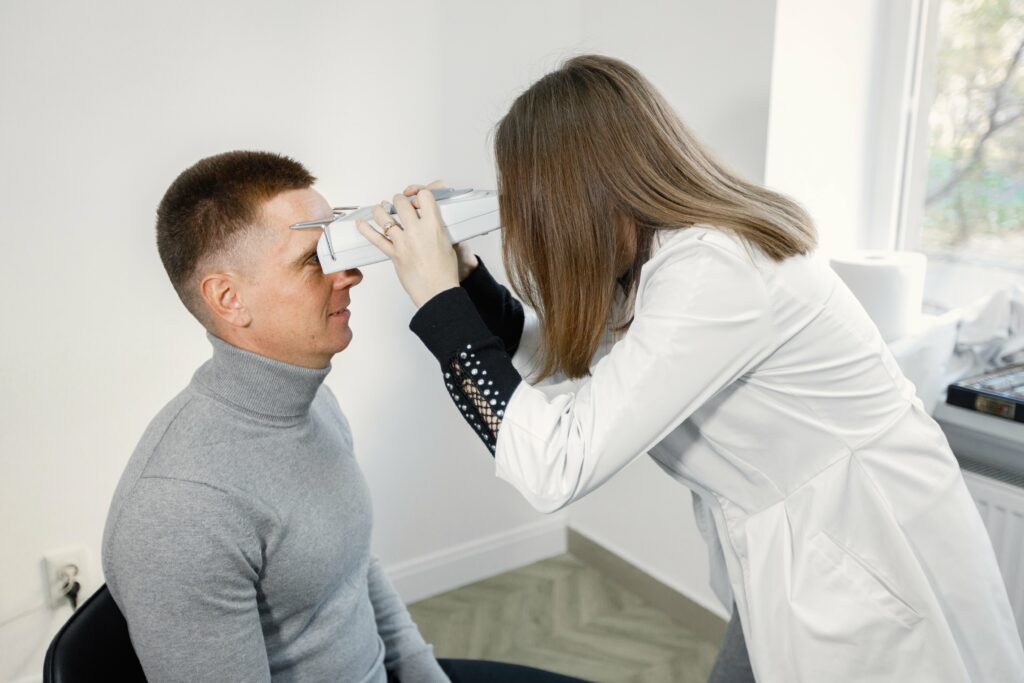
There’s a common phrase that the eyes are “the windows into the soul.” At Center For Sight, your trusted ophthalmologist in Sarasota, knows they’re so much more than that; they’re the windows into your overall health. Routine eye exam health screening can reveal clues about undiagnosed or unmanaged health conditions, making it one of the best ways to spot health problems early. By maintaining regular eye check-ups, you can catch the signs of illnesses before it’s too late.
Your Eye Exam May Spot Any of These Ten Health Issues
While our experts advocate for eye exams every one to two years, we may all miss an appointment from time to time, which could delay the diagnosis of diseases detected by eye exam. When you make your next eye appointment, here are ten common health issues that have the potential to present themselves. These are not just localized to specific eye diseases—they cover many serious illnesses that can impact your overall well-being.
1. Skin Cancers on the Eyelid
Skin cancers like basal cell carcinomas may appear on the eyelids, especially in people overexposed to sunlight. Our eye center advises against tanning beds and encourages UV-blocking sunglasses and hats to prevent sun-related skin cancers. Likewise, ophthalmologists and optometrists in Sarasota may notice signs of leukemia or lymphoma, both of which can impact the appearance of the eyes with blurry retinas.
- How does an eye exam detect it: An eye exam can detect eyelid skin cancers by observing abnormal growths or changes in the skin around the eyes. Your ophthalmologist may notice unusual spots or lesions during the eye examination.
- Why early detection matters: Early detection of skin cancers, especially basal cell carcinomas, is crucial because it allows for prompt treatment, which can prevent further complications and protect your vision.
2. Brain Tumor
Eye exams can reveal brain tumors, which may not present noticeable symptoms until they press against the optic nerve. As a first sign, ophthalmologists in Sarasota may observe swelling at the back of the eye. Patients with such tumors may experience changes in vision, headaches, and fatigue.
- How does an eye exam detect it: An eye exam can detect brain tumors by identifying swelling in the back of the eye, known as papilledema, which may result from increased intracranial pressure.
- Why early detection matters: Early detection of brain tumors can help in timely treatment, which is critical to prevent neurological damage or complications and improve survival rates.
3. Diabetes
Surprisingly enough, diabetic retinopathy, which is a complication of diabetes affecting the eye, may actually occur before a type 2 diabetes diagnosis. A clear sign of its formation can be identified through yellow fluid or blood leaking from tiny blood vessels. Upon further investigation, diabetes can be diagnosed just from a simple eye visit.
- How does an eye exam detect it: An eye exam can detect diabetes by examining changes in the retina’s blood vessels. Diabetic retinopathy, for instance, may show up as blood vessel leakage or abnormal growths in the retina, often before diabetes is diagnosed.
- Why early detection matters: Early detection of diabetic complications, such as retinopathy, can help prevent irreversible vision loss and allow for early intervention, reducing long-term health impacts.
4. High Blood Pressure (HBP)
Unusual bends, kinks, or bleeding from small blood vessels in the back of the eye can indicate high blood pressure. With approximately 48% percent of American adults aged 18 and over living with hypertension (2017-March 2020), ophthalmologists may commonly diagnose this condition by identifying these signs. Blood pressure testing at the eye office can also lead to lifestyle recommendations for managing HBP.
- How does an eye exam detect it: An eye exam can detect high blood pressure by detecting changes in the blood vessels at the back of the eye, such as narrowing or bleeding, which can indicate hypertension.
- Why early detection matters: Detecting high blood pressure through an eye exam allows for early intervention, which can prevent serious complications like heart disease, stroke, or kidney damage.
5. Giant Cell Arteritis (GCA)
GCA impacts the arms, neck, and upper shoulders by restricting the arteries. However, blurred or double vision and even rapid vision loss in one eye can signal this condition. Detecting GCA early through an eye exam can prevent permanent vision loss and deter GCA-related severe complications from occurring.
- How does an eye exam detect it: An eye exam can detect GCA by noting sudden vision changes or eye inflammation, as the condition can reduce blood flow to the optic nerve.
- Why early detection matters: Early detection of GCA is crucial because it can help prevent permanent vision loss and other complications such as stroke.
6. Certain Autoimmune Disorders
Like dry eyes in lupus patients or red and painful eyes in rheumatoid arthritis patients, autoimmune disorders can also affect the eyes. Myasthenia gravis can reveal itself through droopy eyelids, or double vision spurned from muscle weakness.
- How does an eye exam detect it: An eye exam can detect autoimmune disorders by noting symptoms such as dry eyes in lupus or red, painful eyes in rheumatoid arthritis, which can affect eye health.
- Why early detection matters: Early detection enables better management of autoimmune disorders and prevents eye-related complications that can worsen over time.
7. High Cholesterol
High cholesterol can manifest in eye-related problems, like yellow or blue rings around the cornea or deposits in the blood vessels feeding the retina. These symptoms allude to untreated, chronic high cholesterol, increasing the risk of a stroke.
- How does an eye exam detect it: An eye exam can detect high cholesterol by spotting yellow or blue rings around the cornea or deposits in the retina’s blood vessels, which suggest chronic high cholesterol.
- Why early detection matters: Identifying high cholesterol during an eye exam is vital because it helps manage the condition promptly, reducing the risk of heart disease or stroke.
8. Thyroid Issues
An overactive thyroid can cause the eyes to bulge, making the whites of the eyes more visible. Additionally, dry eye, blurred vision, and vision loss can also occur in people with hyperthyroidism. Regular eye appointments can help monitor thyroid-related eye issues to ensure your situation won’t worsen.
- How does an eye exam detect it: An eye exam can detect thyroid problems by observing bulging eyes, dryness, or blurred vision, all of which can be related to hyperthyroidism.
- Why early detection matters: Early detection of thyroid-related eye problems can prevent worsening symptoms, such as vision loss, and improve management of the thyroid condition.
9. Sexually Transmitted Diseases (STDs)
Common STDs, such as syphilis, herpes, chlamydia, HIV, gonorrhea, and genital warts, can trigger eye problems by attacking the eye tissues. Without proper maintenance, even pubic lice can migrate to the eyelashes and cause inflammation (blepharitis).
- How does an eye exam detect it: An eye exam can detect STDs like syphilis or herpes by noticing inflammation or lesions in the eyes, such as conjunctivitis or retinitis.
- Why early detection matters: Early detection of STDs through eye exams can help prevent complications such as vision loss or other severe systemic infections.
10. Lyme Disease
Unfortunately, Lyme disease symptoms can go unnoticed and undiagnosed for years. But by reporting eye floaters or optic nerve swelling to an eye care doctor, patients can catch Lyme disease in its early stages.
- How does an eye exam detect it: An eye exam can detect Lyme disease by identifying swelling of the optic nerve or floaters in the eye, both of which are associated with Lyme’s impact on the nervous system.
- Why early detection matters: Early detection of Lyme disease through eye exams enables prompt treatment and reduces the risk of severe complications, such as chronic neurological issues.
More Reasons To Book An Eye Exam
Even if you believe you’re in peak physical condition and experience zero eye discomfort, an eye exam detects diseases like diabetes, hypertension, and more that may go unnoticed without proper screening. Additionally, some illnesses may only develop due to genetics and other factors. Consulting an experienced ophthalmologist in Sarasota not only helps you maintain clear vision but also serves as one of the best preventative health strategies.
Ready to book your eye exam? Contact the team at Center For Sight to keep your world in focus.
The advice in this blog is for general informational purposes only and may not be suited for your exact insurance plan and cataract needs. Therefore, consulting a qualified healthcare professional for personalized advice and treatment is essential.