

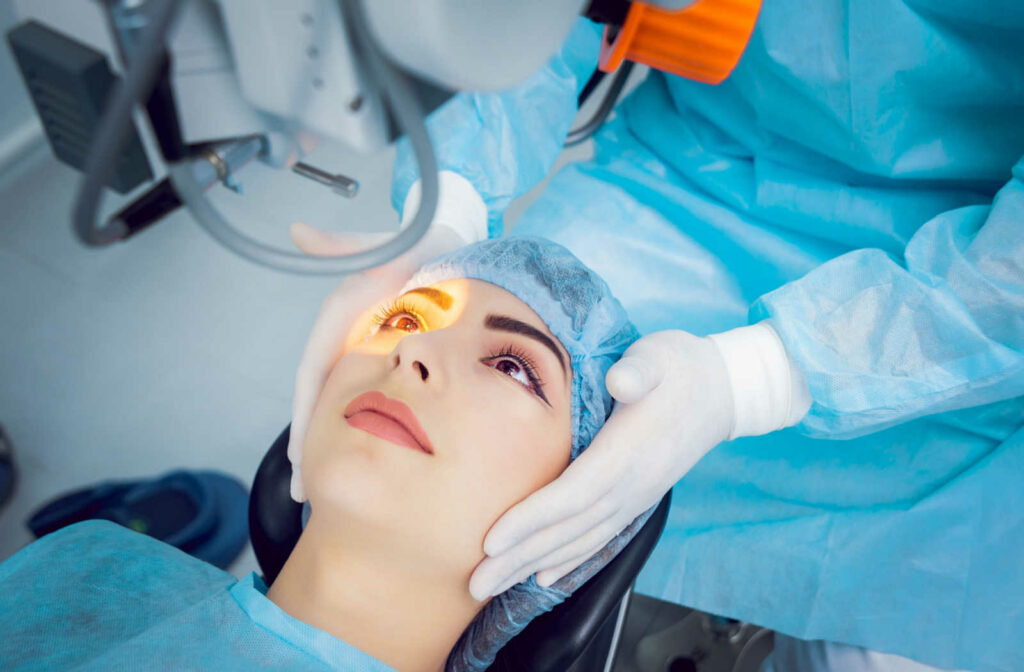
It may be time to consider surgery when cataract symptoms interfere with everyday activities such as reading, driving, working, watching television, or moving around safely. Common signs you may need cataract surgery include worsening blurry vision, glare, halos, poor night vision, faded colors, and frequent prescription changes.
Table of Contents
Millions of Americans are affected by cataracts. Typically it’s an age-related condition, but that’s not always the case. The thing about cataracts is that quite often, they begin developing without noticeable symptoms. This is why regular eye examinations are important to your overall eye health.
When cataracts are caught early enough, an eye doctor can often correct the problem using prescription glasses or contact lenses. Unfortunately, this does not fix the cataract but may help slow the development.
As cataracts develop further, they may affect your vision more and more. Once cataracts begin affecting your daily life, it may be time to consider getting rid of them. The only way to do so is through cataract surgery.
What are Cataracts?
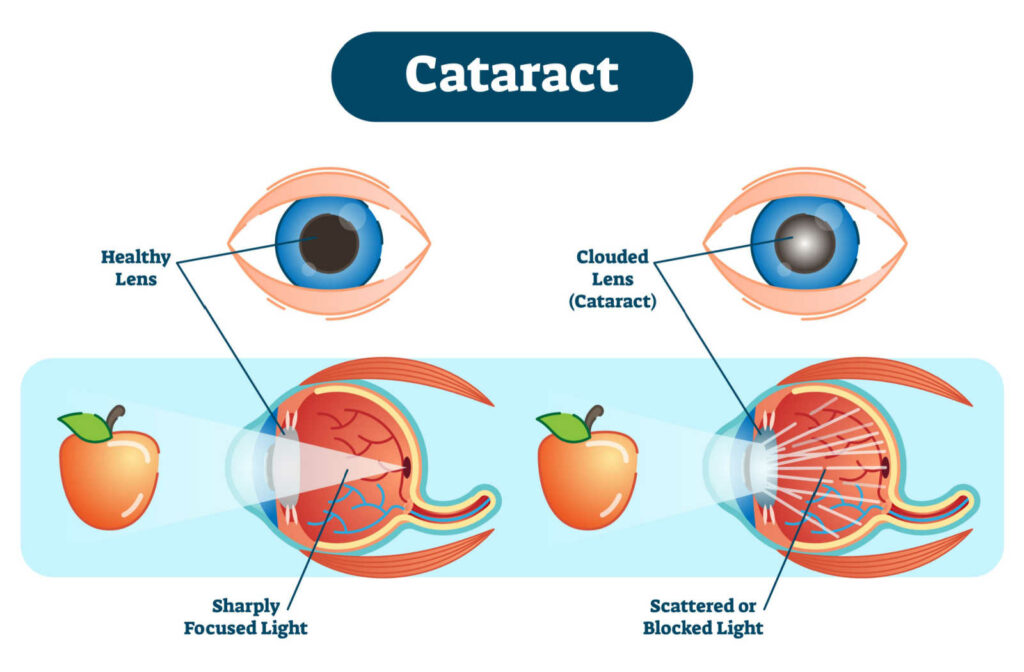
To understand when it’s time for cataract surgery, we first need to look at what cataracts are and how they affect our vision. In each of our eyes, there is a lens. This lens is responsible for transmitting light to the retina without scattering it.
As a cataract develops, this natural lens in our eyes begins to grow cloudy. The speed with which this happens varies slightly depending on the type of cataract. Because it’s often a slow progression, most times, you don’t notice much for symptoms.
Typically, this condition affects both eyes. However, it can even develop at different speeds between each eye.
Various Types of Cataracts
Types of cataracts include:
- Nuclear: The center of the lens is affected by a nuclear cataract. Most commonly, this causes an increase in nearsightedness. In some cases, it may even temporarily increase your reading vision. But over time, the lens clouds more to yellow or brown, creating difficulty distinguishing between shades of color.
- Cortical: The edge of the lens is where a cortical cataract develops. And instead of yellow or brown, these cataracts are usually white.
- Posterior Subcapsular: A posterior subcapsular cataract develops in the back of the lens. In addition to developing quickly, these cataracts usually affect reading vision right away and reduce your ability to see in bright lights. You’ll also likely see glaring or halos around lights during the night.
- Congenital: Cataracts are quite often age-related. However, there are other possible causes. One example is a congenital cataract which affects young children. In some cases, the child is born with cataracts. In others, they develop them early in their childhood. There is no single cause for congenital cataracts; they can be from trauma, infection, or even genetics.
Glasses, contact lenses, and brighter lighting may temporarily improve vision during the early stages of cataracts, but they do not slow, reverse, or remove the cataract. Surgery is the only treatment that removes the clouded natural lens.
Signs and Symptoms of Cataracts
One of the primary reasons cataracts often go undetected during their initial development is that they usually only affect a small area of the eye. These small changes typically don’t change your vision so much that you notice it immediately. This is actually the case for several other eye conditions too, which is why it’s vital to receive regular eye examinations.
If you’re in between eye exams, here are some common signs of cataracts developing:
- Dim, blurry, or cloudy vision
- Yellowing colors or a decreased vibrancy
- Double vision in a single eye
- Trouble seeing at night
- Sensitivity to light
- Increased need for extra light
- Rapidly changing prescription
Signs of Cataracts Getting Worse
Cataract symptoms often develop gradually. The following cataract warning signs may indicate that the clouding of the lens is becoming more noticeable:
- Dim, blurry, or cloudy vision
- Colors appearing faded or yellowed
- Double vision in one eye
- Difficulty seeing at night
- Increased glare, halos, or light sensitivity
- Needing brighter light for reading and other tasks
- Frequent changes to your glasses or contact lens prescription
These symptoms do not automatically mean you need surgery. An eye examination can determine whether cataracts or another eye condition is affecting your vision.
When Is it Time for Cataract Surgery?
Often, a cataract can be managed through different prescription glasses or contact lenses during their early development. Another common symptom treatment is increasing light for activities such as reading.
Unfortunately, cataracts typically worsen over time, and a person’s vision eventually becomes cloudy or blurry. When cataracts start affecting your ability to complete daily activities, it may be time to discuss surgical options with your eye care doctor.
Do I Need Cataract Surgery? A Self-Assessment Checklist
Ask yourself whether changes in your vision are affecting your independence, comfort, or safety:
- Is blurry or cloudy vision making it difficult to read, work, cook, or watch television?
- Do glare or halos make driving at night uncomfortable or unsafe?
- Are headlights, sunlight, or bright indoor lights becoming harder to tolerate?
- Do you avoid driving because you cannot see road signs, pedestrians, or other vehicles clearly?
- Do you need brighter lighting for tasks that were previously easy?
- Are frequent prescription changes no longer providing clear enough vision?
- Are you having trouble recognizing faces, navigating stairs, or moving around unfamiliar places?
- Have cataracts prevented your eye doctor from monitoring or treating another eye condition?
Answering “yes” to one or more questions does not necessarily mean surgery is required, but it is a reason to schedule a cataract evaluation. The decision is generally based on how much the cataract affects daily life rather than the cataract’s size or how long it has been present.
Can Cataracts Affect Driving?
Yes. Cataracts can cause glare, halos, blurry vision, reduced contrast, and difficulty seeing in low light. These changes may make night driving particularly challenging. Avoid driving when your vision does not feel safe and discuss the change with your eye doctor.
Doctor’s Perspective: How Urgent Is Cataract Surgery?
For most age-related cataracts, surgery is planned rather than performed as an emergency. You can often monitor an early cataract until vision problems begin interfering with activities that matter to you.
However, cataracts should not be ignored when vision is steadily worsening. In discussing patients whose advanced cataracts had remained untreated for years, Center For Sight founder and cataract surgeon David Shoemaker, M.D., explained that “surgery is necessary not only to improve their vision but to save their sight.”
The urgency depends on your symptoms, eye health, lifestyle, and whether the cataract is affecting the treatment of another condition. Sudden vision loss, severe eye pain, marked redness, flashes, or a curtain-like shadow are not typical signs of routine cataract progression and require prompt medical attention.
Cataract Surgery Overview
Fortunately, this surgery is widely performed and poses little risk for complications. Your optometrist can give you all the information regarding risks and benefits during a consultation.
A typical cataract surgery follows a simple process:
- The eye doctor numbs your eye so there is little to no discomfort.
- They make a small incision that allows them to remove the old, clouded lens.
- An artificial lens called an intraocular lens is then inserted.
- In most cases, the incision is left to heal on its own because it’s so small it doesn’t require sutures.
Recovery time is typically about 4 to 8 weeks, and your optometrist can provide you with all applicable aftercare instructions for cataracts treatment. For example, they may prescribe an antibiotic or steroid eye drop to help prevent any complications or infection.
How Does Cataract Surgery Work?
Cataract surgery works by removing the eye’s clouded natural lens and replacing it with a clear artificial lens called an intraocular lens, or IOL. An ophthalmologist performs the outpatient procedure through a small incision. The new lens remains inside the eye and helps focus light more clearly.
Learn more about how cataract surgery works
Find Out More About Cataract Surgery
If cataracts are beginning to affect your life, give our office a call. Our helpful staff at Center For Sight can answer all your questions regarding cataracts and ensure that you’re booked in with a clinic that’s close to you.
FAQ’s
How Long Can You Wait to Get Cataract Surgery?
You can often wait until cataracts begin interfering with daily activities such as reading, driving, or working. Your ophthalmologist can recommend the right timing based on your symptoms and eye health.
Does Insurance Cover Cataract Surgery?
Many insurance plans cover medically necessary cataract surgery. However, deductibles, copayments, premium lenses, and optional technology may involve additional costs.
What Happens if You Don’t Treat Cataracts?
Untreated cataracts usually worsen over time and can cause increasing vision loss. They may eventually affect driving, reading, mobility, and independence.